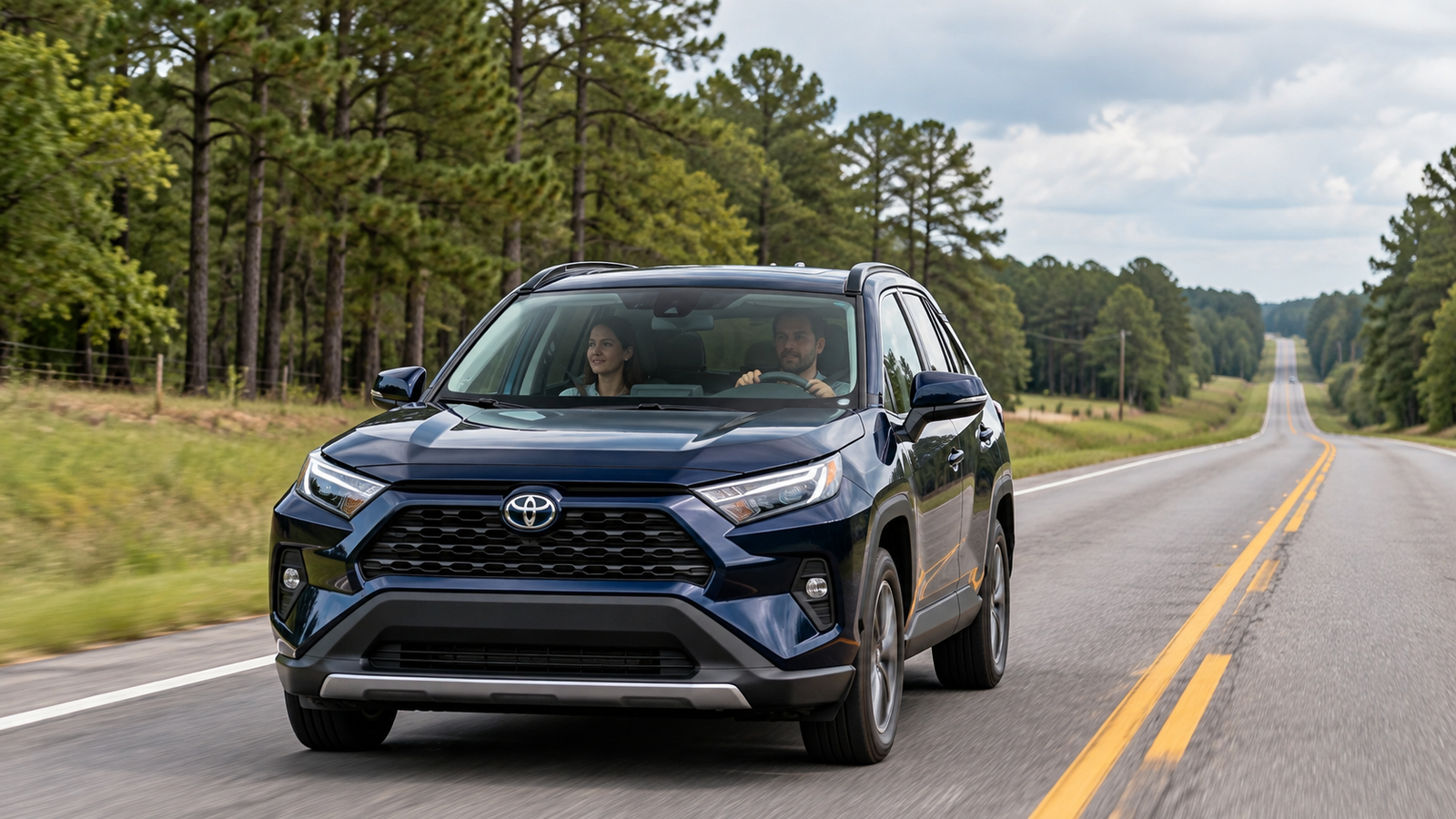
Montana Auto Insurance Requirements (2026): Montana Car Insurance Requirements, Limits, and State Minimum Guide
Driving across Montana means dealing with wide-open highways, rugged mountain passes, and long stretches between towns. Staying current with montana car insurance laws, broader montana auto insurance laws, and statutory montana auto insurance law frameworks keeps your driver’s license valid and avoids vehicle registration holds under state mt car insurance laws.
Meeting everyday montana auto insurance requirements simply means keeping a policy that pays for the injuries and property damage you cause to others in an accident.
While basic montana auto insurance requirements keep you legal on paper, bare-minimum coverage can leave your personal savings and property exposed after a major collision. This complete guide from Coverlio breaks down required limits, state fines, electronic verification, SR-22 certificates, and practical ways to keep your insurance budget manageable.
1. Montana Car Insurance Requirements at a Glance
Montana law requires every driver who registers and operates a motor vehicle to carry active liability insurance. Understanding statutory montana minimum auto insurance requirements helps drivers select legally compliant coverage. Whether you are shopping for basic minimum car insurance in montana, checking baseline minimum car insurance montana rates, or reviewing official montana state minimum car insurance guidelines, your policy must meet state standards.
Every commercial insurance policy written in the state must satisfy published state minimums to fulfill montana auto insurance requirements.
| Coverage Type (Montana Auto Insurance Minimums) | Statutory Limit | What It Covers |
|---|---|---|
| Bodily Injury Liability Per Person | $25,000 minimum | Pays medical costs and lost wages for a single person injured in an accident you cause. |
| Bodily Injury Liability Per Accident | $50,000 minimum | The total pool available for all injured people combined in an accident you cause. |
| Property Damage Liability Per Accident | $20,000 minimum | Pays to repair or replace vehicles, guardrails, or structures you damage. |
| Common Ratio Format | 25/50/20 | Standard industry shorthand for per person / per accident / property damage. |
| Proof of Insurance | Mandatory | Must be presented to law enforcement as a physical paper card or digital smartphone display. |
| Uninsured Motorist (UM) Coverage | Optional (Rejection Required) | Included automatically in standard policies unless you reject it in writing. |
| Collision & Comprehensive | Optional by State Law | Not legally mandated by Montana, but required by vehicle lenders and lease companies. |
| SR-22 Filing | Conditional | Only required if ordered by a court or the state after serious violations. |
| Personal Injury Protection (PIP) | Not Required | Montana is a fault state; PIP is not a legal requirement for drivers. |
Official sources: Montana Motor Vehicle Division | Montana CSI | MCA § 61-6-301.
2. Understanding Montana’s Minimum Liability Limits (25/50/20 Breakdown)
Montana’s liability coverage follows a clear split-limit structure known as 25/50/20. It is helpful to understand how each of these three numbers functions during an insurance claim:
- $25,000 Bodily Injury Per Person: If you cause a crash that injures someone, your insurer pays up to $25,000 for their hospital care, surgery, and rehabilitation. If their medical bills total $40,000, your insurer pays $25,000, and you are personally responsible for the remaining $15,000.
- $50,000 Bodily Injury Per Accident: This is the total payout cap your insurer will provide for all injured victims combined in a single wreck. If you injure four people and their bills total $80,000, your policy pays out only $50,000 across all victims.
- $20,000 Property Damage Per Accident: This limit pays for repairs to other vehicles, utility poles, or buildings. With the average price of modern vehicles exceeding $40,000, a $20,000 limit can leave you underinsured after a multi-car collision.
Liability insurance protects other people from the financial damage you cause. It never pays a dime to fix your own car or treat your own injuries. For vehicle repairs, you need collision or comprehensive coverage.
3. Is Car Insurance Mandatory in Montana?
Yes, car insurance is mandatory in Montana. Under Montana Code Annotated § 61-6-301, motor vehicle owners must carry liability insurance on every vehicle registered and driven on public roadways.
The state does not allow you to skip insurance simply because you drive infrequently or keep a car parked on a public street. If a vehicle carries an active Montana registration, it must have active insurance coverage.
Montana enforces this through the Montana Insurance Verification System (MTIVS). When your policy starts or cancels, your insurance carrier immediately reports the update to the state database. Police officers scan your license plate during traffic stops to verify coverage electronically in real time.
Official verification source: Montana MVD Insurance Verification.
4. Real-World Practical Scenarios & Driver Comparisons
State minimums look sufficient on paper until you see how quickly claims add up after an accident. Here are 6 real-world driving situations on Montana roads, along with two direct financial comparisons showing how different coverage choices protect your finances.
Scenario 1: Highway Crash on I-90 near Bozeman (State Minimum vs. Recommended Liability)
Driver A and Driver B cause separate rear-end crashes in heavy winter traffic on I-90 near Bozeman. In each crash, another driver suffers severe injuries requiring $55,000 in hospital treatment, plus $28,000 to repair their truck ($83,000 total claim).
| Crash Claim Expense | Driver A (State Minimum: 25/50/20) | Driver B (Recommended: 100/300/100) |
|---|---|---|
| Injured Driver Medical ($55,000) | The insurer pays the state cap of $25,000. Driver A owes $30,000 out of pocket. |
The insurer pays the full $55,000 under the $100,000 limit. Driver B owes $0. |
| Truck Repair Bill ($28,000) | The insurer pays the state cap of $20,000. Driver A owes $8,000 out of pocket. |
The insurer pays the full $28,000 repair cost. Driver B owes $0. |
| Total Out-of-Pocket Debt | $38,000 Personal Debt (Exposed to court judgments and asset liens). | $0 Out of Pocket (Savings and wages stay protected). |
Practical Takeaway: Carrying bare-minimum coverage left Driver A with $38,000 in personal debt. Driver B paid a little more each month for 100/300/100 limits and owed nothing after the crash.
Scenario 2: Single-Car Ditch Skid near Missoula (Liability-Only vs. Full Coverage)
Driving on Highway 93 near Missoula on black ice, Logan skids off the pavement into a frozen embankment, causing $6,500 in body and axle damage to his vehicle.
| Expense Category | State Minimum Policy (Liability Only) | Full Coverage (Collision with $500 Deductible) |
|---|---|---|
| Car Repairs ($6,500) | $0 from insurance. State minimum liability only covers damage you cause to others. | Collision pays $6,000 directly to the repair shop. |
| Total Out-of-Pocket Cost | $6,500 Out of Pocket to repair the car. | $500 Deductible paid to the body shop. |
Practical Takeaway: State minimum insurance never pays to repair your own car after you slide off an icy road. Adding collision coverage protects you from paying thousands in unexpected repair bills.
Scenario 3: Hit by an Uninsured Motorist in Billings
While driving along Grand Avenue in Billings, Sarah is broadsided by a driver who ran a red light and carried no insurance. Sarah suffers $18,000 in medical bills. Because Sarah kept optional uninsured motorist coverage on her policy, her own insurance company pays her medical bills directly up to her policy limits without delay.
Scenario 4: Parking Lot Fender Bender in Great Falls
Tom backs out of a grocery store parking stall in Great Falls and clips a parked sedan, causing $1,800 in bumper and taillight damage. Because Tom carries the required $20,000 property damage liability coverage, his insurer pays the entire $1,800 repair bill for the other driver, leaving Tom with zero out-of-pocket costs.
Scenario 5: Multi-Person Injury Collision near Helena
A driver carrying state-minimum 25/50/20 liability causes a collision near Helena that injures three passengers in an oncoming vehicle. Medical bills are $26,000 for Person 1, $18,000 for Person 2, and $14,000 for Person 3 ($58,000 total). The policy pays $25,000 for Person 1 (reaching the per-person limit) and divides the remaining $25,000 between Person 2 and Person 3 (hitting the $50,000 per-accident cap). The at-fault driver remains personally responsible for the remaining $8,000 balance.
Scenario 6: Deer Collision on a Rural Road near Kalispell
Driving on Highway 2 near Kalispell at dusk, Emily strikes a deer, denting her hood, radiator, and bumper ($4,200 in damage). State minimum liability pays $0 because animal strikes are not third-party liability claims. However, because Emily added optional comprehensive coverage with a $250 deductible, her insurer covers the remaining $3,950 to restore her car.
5. Cheapest Car Insurance in Montana
Finding the cheapest auto insurance in Montana comes down to individual risk factors. Insurance companies look at your age, driving record, zip code, vehicle type, and annual mileage to calculate your premium. A driver in rural eastern Montana often pays less than a driver commuting daily in Billings or Missoula.
Private market surveys, such as NerdWallet’s October 2026 insurance study, indicate that State Farm frequently offers the lowest full-coverage rates in Montana, averaging roughly $1,544 annually. However, rate estimates are never guaranteed quotes. You can compare real-time rates from multiple carriers on Coverlio.
To keep your policy affordable while satisfying montana auto insurance requirements:
- Bundle your auto insurance with your home or renters policy.
- Raise your collision and comprehensive deductibles if you have an emergency fund.
- Ask about safe-driver telematics programs that track safe driving habits.
- Review your policy annually to remove unnecessary rental or roadside riders on older vehicles.
6. Best Car Insurance Companies in Montana
The best car insurance company balances competitive rates with prompt claims service and strong financial stability. If you have an accident during a blizzard, you want an insurer that processes claims efficiently.
Major carriers operating throughout Montana include:
- State Farm: Offers extensive local agent networks across Montana towns and strong bundle discounts.
- GEICO: Popular for user-friendly mobile claims tools and competitive baseline liability rates.
- Progressive: A dependable option for multi-policy bundling and drivers needing an SR-22 filing.
- Nationwide: Known for flexible coverage add-ons and accident forgiveness programs.
- Travelers: Provides good student and safe driver discounts for families.
You can verify licensing status and consumer complaints through the Montana CSI Portal.
7. Optional Car Insurance Coverage in Montana
While liability insurance is the only coverage required by law, it leaves major gaps in financial protection. Montana drivers frequently add optional protections to handle local road hazards:
- Collision Coverage: Pays to fix your vehicle if you slide off an icy road, hit another car, or collide with a guardrail.
- Comprehensive Coverage: Covers physical damage caused by things outside your control, such as deer collisions, windshield rock chips, hailstorms, falling tree branches, or vehicle theft.
- Medical Payments (MedPay): Pays hospital bills, ambulance fees, and funeral costs for you and your passengers after an accident, regardless of who caused it.
- Roadside Assistance: Essential for Montana winters, covering emergency towing, jump-starts, fuel delivery, and lockout assistance.
- Rental Car Reimbursement: Reimburses you for temporary rental car expenses while your vehicle is in the repair shop after a covered claim.
8. Montana’s Uninsured Motorist Coverage Rules
Uninsured motorist (UM) coverage steps in to pay your medical expenses if you are hit by a driver who carries no insurance, or if you are injured in a hit-and-run.
Under Montana Code Annotated § 33-23-201, auto insurers must include uninsured motorist bodily injury coverage in every motor vehicle policy issued in the state. However, state law allows the named policyholder to reject this coverage in writing.
Given that roughly 10% to 15% of drivers on the road carry no insurance, dropping UM coverage is a major financial risk. If an uninsured driver injures you, your UM coverage ensures your medical bills are handled without having to pursue costly personal litigation against an individual who likely has no assets.
9. Car Insurance for Young Drivers in Montana
Teenagers and young adults pay significantly higher premiums because insurance statistics link early driving years with higher crash rates. Young motorists must carry active policies that comply with all montana auto insurance requirements.
To reduce insurance costs for young drivers:
- Keep Teens on a Family Policy: Adding a teenager to a parent’s household policy is almost always cheaper than buying a standalone policy.
- Good Student Discounts: Maintaining a 3.0 GPA or higher can earn savings between 10% and 20% with most insurers.
- Complete Approved Driver Training: Completing state-recognized driver education helps reduce new-driver rate surcharges.
- Choose Safe Vehicles: Mid-size sedans and small SUVs with high safety ratings cost less to insure than sports cars or heavy pickups.
Montana enforces a Graduated Driver Licensing (GDL) program for drivers under 18, limiting nighttime driving hours and young passenger counts during their first year of driving. Details are available via Montana MVD Youth Licensing.
10. SR-22 Insurance in Montana
An SR-22 is not an insurance policy; it is an official certificate of financial responsibility that your insurer files directly with the Montana Motor Vehicle Division. It serves as legal proof that your policy meets mandatory montana auto insurance requirements.
You may need an SR-22 filing if your license was suspended for driving without insurance, accumulating too many moving violation points, or receiving a DUI conviction.
When required, you must contact an insurance company licensed in Montana that handles SR-22 filings. The insurer submits the document to the state, and you must maintain continuous coverage. If your policy cancels or lapses for nonpayment, your insurer must notify the state, leading to immediate license re-suspension. Learn more at MVD Reinstatements.
11. High-Risk Car Insurance and Car Insurance After a DUI
Drivers with major traffic offenses, at-fault injury accidents, or a driving under the influence (DUI) conviction are classified as high-risk drivers. Many standard insurance carriers decline high-risk motorists or charge steep surcharges.
If you receive a DUI in Montana:
- You will face court-ordered fines, license suspension periods, and chemical dependency education requirements.
- You must purchase an active policy that satisfies montana auto insurance requirements and submit an SR-22 certificate before your license can be restored.
- Expect your insurance premiums to increase substantially for three to five years following the conviction.
If private carriers turn you down, specialized non-standard insurers can provide the coverage necessary to get you legally back behind the wheel.
12. Non-Owner Car Insurance in Montana
If you drive borrowed or rented vehicles but do not own a car registered in your name, non-owner car insurance provides personal liability protection. It also helps high-risk drivers satisfy montana auto insurance requirements and reinstate their driving privileges without buying an automobile.
A non-owner policy pays for bodily injury and property damage you cause while driving a non-owned automobile. However, it comes with important restrictions:
- It never covers cars owned by members of your household or vehicles provided for regular commercial use.
- It does not pay for collision or comprehensive damage to the borrowed car itself.
You can evaluate non-owner options through the Coverlio Policy Hub.
13. Personal Injury Protection (PIP) in Montana vs. Medical Payments (MedPay)
Drivers moving to Montana from no-fault states like Florida, Michigan, or New York often ask whether Personal Injury Protection (PIP) is mandatory. In Montana, PIP is not required by law.
Montana uses a traditional fault-based tort system. The driver who causes a crash is legally responsible for the damages. However, fault disputes can take months to resolve in court. To ensure medical bills are paid immediately after a crash, many Montana motorists add Medical Payments (MedPay) coverage to their policy. MedPay covers immediate out-of-pocket medical bills, dental care, and deductibles for you and your passengers regardless of fault.
14. How to Reinstate a Suspended License in Montana
Driving on a suspended driver’s license is a criminal offense in Montana. Getting your driving privileges restored involves clear administrative steps:
- Check Your Official Suspension Notice: Review the notice from the Montana Motor Vehicle Division to confirm the reason for the suspension and the required waiting period.
- Clear Court Requirements: Pay any outstanding traffic citations, attend required hearings, and complete court-ordered programs.
- Secure Active Auto Insurance: Purchase a policy meeting state minimums, and have your insurer file an SR-22 if mandated by the state.
- Pay State Reinstatement Fees: Pay your reinstatement fee directly to the Montana MVD through their online portal or local office.
- Confirm Driving Status: Never drive until the state formally confirms your license status has been restored to valid.
Detailed forms and fee schedules are accessible through Montana MVD Reinstatements.
15. Car Insurance for High-Risk Drivers Who Do Not Own a Vehicle
Many drivers with suspensions or DUIs sell their cars to save money. However, if the state requires an SR-22 certificate to restore your driver’s license, you cannot simply wait out the clock without filing proof of insurance.
The solution is purchasing a non-owner SR-22 insurance policy. This satisfies official montana auto insurance requirements, allows your insurer to transmit the certificate to the MVD, and enables you to regain a valid driver’s license without purchasing a vehicle.
16. How to Compare Montana Car Insurance Quotes
To find the best value on auto insurance, compare quotes using an identical coverage profile. A policy that looks cheaper on the surface often carries higher deductibles or lower liability limits.
When collecting quotes on comparison sites like Coverlio:
- Match liability limits across all quotes (such as comparing 50/100/50 against 50/100/50).
- Keep collision and comprehensive deductibles equal ($500 vs. $500).
- Verify whether uninsured motorist and roadside coverage are included.
- Check the customer service reputation and financial strength rating (AM Best) of each company.
17. Comparative Negligence and Fault Rules
Montana uses a modified comparative negligence rule with a 51% bar. If you are involved in a vehicle collision, an insurance adjuster or court examines the accident and assigns a percentage of fault to each driver.
Under this legal rule:
- You can recover damages from the other party as long as your fault is 50% or less. Your compensation is reduced by your fault percentage (for example, if you have $10,000 in damages but are 20% at fault, you receive $8,000).
- If you are found to be 51% or more at fault, you are barred from recovering any damages from the other driver.
Carrying adequate liability limits protects your assets if the other party’s insurer attempts to place the majority of fault on you.
18. Winter Driving and Wildlife Collision Coverages
Montana’s driving conditions differ significantly from most other states. Severe winter weather brings black ice, deep snowdrifts, and sub-zero temperatures across mountain passes like Bozeman Pass and Lookout Pass.
Furthermore, Montana consistently ranks among the top states for animal collisions. Striking a deer, elk, or moose can easily total a vehicle. State-minimum liability insurance pays nothing when you hit wildlife or slide into an icy ditch. Adding comprehensive coverage handles animal collisions and hail damage, while collision coverage handles winter wipeouts and rollover accidents.
19. Insurance Lapses and State Registration Holds
Allowing your insurance policy to lapse triggers immediate regulatory consequences. When a policy cancels for nonpayment, your insurer transmits an electronic cancellation notice directly to the Montana Insurance Verification System (MTIVS).
Failing to maintain continuous compliance with montana auto insurance requirements can cause the state to place an administrative hold on your vehicle registration. When your registration is suspended, you cannot renew license plates, and law enforcement can seize your plates during a traffic stop. Maintaining unbroken coverage avoids reinstatement penalties and prevents future rate surcharges.
20. Senior Driver Insurance Discounts
Older motorists in Montana often qualify for valuable insurance discounts. Montana drivers aged 55 and older can complete a state-recognized mature driver improvement course to earn discounts on their auto liability coverage.
In addition to safety courses, mature drivers who drive fewer miles each year after retirement can contact their insurer to classify their vehicle for pleasure use rather than daily commuting, lowering monthly premiums significantly.
21. Commercial and Rideshare Auto Insurance
Standard personal auto insurance policies strictly exclude coverage when a vehicle is used for commercial business, package delivery, or ridesharing. If you drive for Uber, Lyft, DoorDash, or Amazon Flex in cities like Billings, Bozeman, or Missoula, personal policies do not cover accidents that happen while logged into a delivery app.
Drivers must add a commercial endorsement or a specialized rideshare gap policy. This rider bridges the gap between your personal auto insurance and the commercial liability coverage provided by delivery platforms.
22. License vs. Registration Reinstatement Differences
A common point of confusion among Montana drivers is the difference between restoring a driver’s license and clearing a vehicle registration suspension. They are separate legal processes:
- Driver’s License Reinstatement: Restores your personal driving privilege after a suspension for traffic offenses, DUIs, or lack of insurance. It requires paying MVD reinstatement fees and filing proof of insurance (SR-22).
- Vehicle Registration Reinstatement: Lifts the administrative suspension on your vehicle’s license plates after an uninsured driving hold. It requires showing that the vehicle itself carries active insurance before valid plates can be issued.
Paying fees for your driver’s license does not automatically clear a suspended registration on your vehicle.
23. Premium Rating Factors Explained
When insurance companies calculate how much you pay to meet montana auto insurance requirements, their underwriting algorithms review multiple risk factors:
- Driving Record: A clean history with no speeding tickets or at-fault accidents guarantees the lowest base pricing.
- Geographic Location (Zip Code): Rural counties usually have lower insurance rates than urban areas like Billings or Great Falls, where traffic congestion and vehicle thefts are higher.
- Vehicle Make and Model: Vehicles equipped with modern safety features cost less to insure for liability, but expensive trucks or luxury SUVs cost more for collision coverage.
- Credit-Based Insurance Score: Most insurers in Montana evaluate credit history to predict claim frequency, rewarding higher credit scores with lower rates.